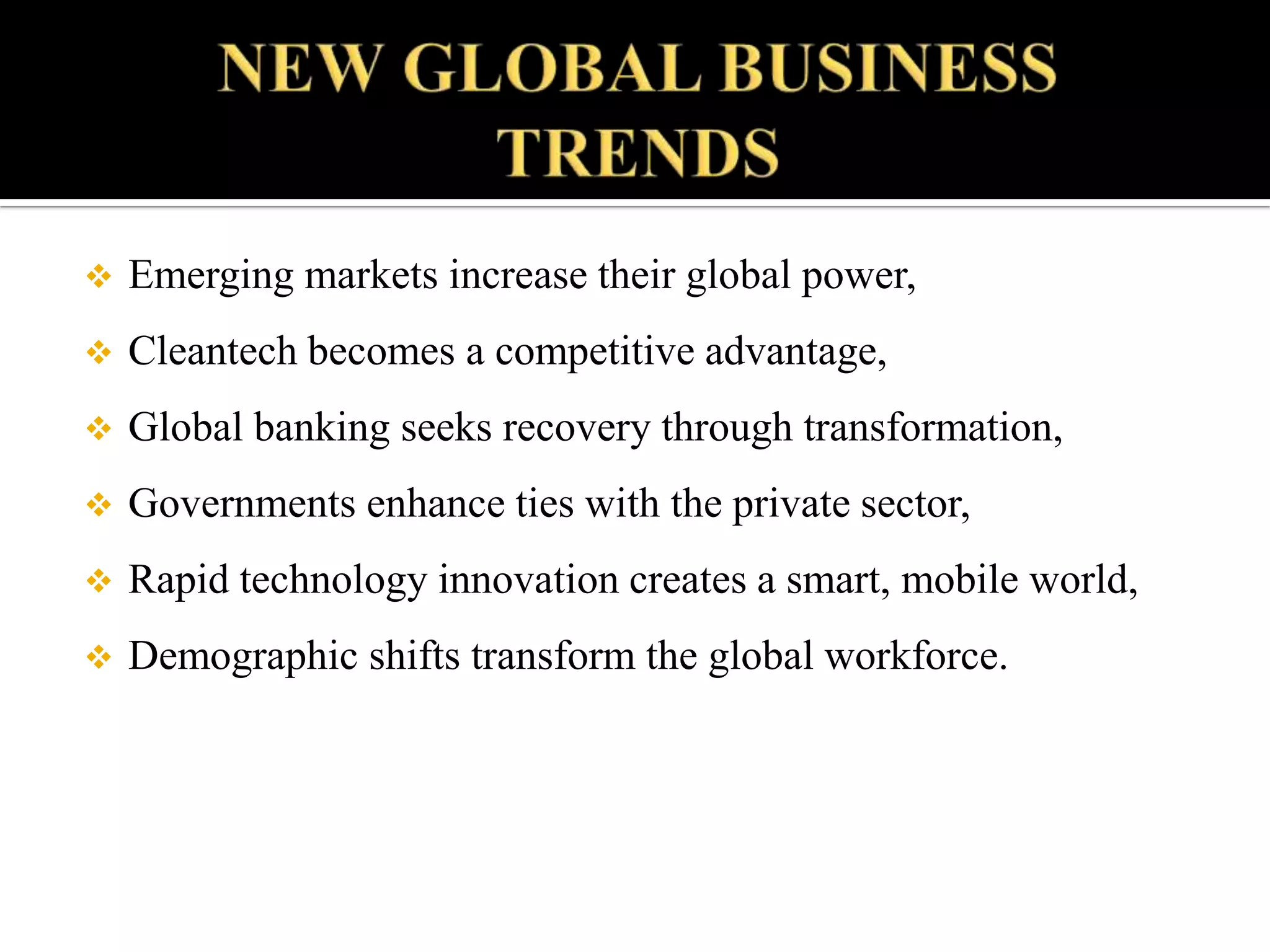
The Way The World Works Is Evolving- What's Shaping It In The Years Ahead
A List Of The Top 10 Food And Nutrition Trends You Need To Be Keeping Up-To-Date With In 2026/27Food can be seen as a fusion of science, culture economy, and identities in a fashion that almost no other aspect of daily life can match. Food, what we eat, how it comes from, how it's created, and what it affects the body are the subjects that get more serious attention with every passing year. The nutrition and food landscape of 2026/27 has been shaped by the advancements in science, a growing environmental awareness, changing consumer preferences and a technology-based sector that has identified food as one of the key changes that will occur in the next decades. Here are 10 food and nutrition trends you need to know about as you head into 2026/27.
1. Personalised Nutrition Transitions From Concept To PracticeThe notion that the optimal diet is different for every person depending on their genetics, gut health, microbiome composition, and lifestyle variables has been emerging in research literature for years. In 2026/27, the tools to help implement this notion will be available to anyone, not just specialist practices and the elite athlete. Consumer-facing platforms combining genetic tests with continuous glucose monitoring microbiome analysis, as well as AI-driven nutritional recommendations are hitting mainstream markets. The one-size-fits-all dietary guideline is not disappearing, but is becoming increasingly complemented by suggestions that are adapted to the particular rather than to the average.
2. Gut Health Remains Central To Mainstream Nutrition TheoryThe gut microbiome, which is the vast community of microorganisms living within the digestive system is now among the most researched areas in all scientific research in nutrition. research findings continue to spread onto how people make decisions about their food choices. Connections between gut health and immune function, mental wellbeing, metabolic health, and inflammatory disorders have driven fermented foods, dietary fiber as well as probiotics and prebiotic products from health food store essentials to the top of the line in supermarkets. Gut health awareness among consumers is still sporadic, and the supplement market particularly is susceptible false claims, but the research is solid and growing.
3. Plant-based eating ages and diversifiesThe first series of plant-based meat substitutes, designed to mimic the taste and texture of traditional meat as closely as possible It has developed into a more diverse landscape. Whole food, plant-based diets, made up of legumes, vegetables along with grains, nuts and seeds in more natural forms, is gaining momentum with the continued development of more advanced alternative proteins. The motivations are changing as well. Health outcomes, environmental impacts as well as animal welfare all feature frequently in a combination. The shift to plant-based diets in 2026/27 is more of a non-binary lifestyle assertion and more of a range that a greater percentage populace is engaged to varying degrees.
4. Protein Demand Drives Innovation Across Multiple CategoriesProtein has emerged as the largest highly valued macronutrient used in the food sector, and the race to meet increasing consumer demands for it is driving innovations across an unimaginably broad range of categories. Precision fermentation, which utilizes microorganisms and bacteria to make animal proteins without animal products expanding. Insect protein is still struggling to overcome huge cultural resistance in Western markets, is beginning to gain acceptance in specific processed food applications. Single-cell proteins, algae-based proteins created from agricultural waste and the development of more legume-based protein options are all part of a diverse protein supply depicting both the environmental need and the commercial possibility.
5. Ultra-Processed Food Faces Growing Regulatory PressureThe research linking high consumption of foods that are ultra-processed to numerous adverse health outcomes has accumulated until the point where regulatory responses are beginning. Labels warning consumers, restrictions on advertising specifically targeted at children, schools nutrition standards, and public health programs specifically targeting ultra-processed food intake are gaining momentum in multiple countries. The food industry is responding by reformulation efforts of various intensity, and awareness concerning the category of foods that are ultra-processed has been growing, even though shifts within the population remains challenging to achieve. The direction of the policy shift is evident, even if the pace of change is debated.
6. Food Waste Reduction Becomes A Serious PriorityMore than a third foods produced in the world are lost or wastage, resulting in a massive environmental, financial and ethical lapse. In 2026/27 the issue of food waste is attracting a lot of interest from retailers, governments as well as food service owners and tech developers. Dynamic pricing of food products approaching its use-by-date Artificial Intelligence-driven demand forecasting that minimizes overproduction, applications connecting surplus food to people who need it, as well as charities, and innovation in packaging that increases shelf life are all contributing to a shift that is tangible. For consumers, normalising imperfect produce and planning meals with greater care and eating more effectively are easy actions that have significant effects in the larger context.
7. Functional Foods, Beverages and Beverages Enter MainstreamThe creation of drinks and food items that offer specific health benefits other than the basics of nutrition have shifted beyond the aisle of health food. Cognitive function and sleep quality managing stress, immune support and energy levels without the effects of conventional stimulants are all being targeted by mainstream food and beverage products comprising adaptogens, neotropics, specific vitamins and minerals, and bioactive ingredients. The line between food, supplements, and pharmaceutical is becoming fuzzy in certain categories, causing questions over evidence standards, regulation oversight, and the degree that functional claims can be established. Consumer demand, however isn't slowing down.
8. Local And Regenerative Food Systems attract renewed interestGlobal food supply chains revealed significant fragility in recent times of instability, and the reaction has been characterized by renewed attraction to shorter, robust traditional food chains in the community. Farmers markets, community-supported agriculture schemes and direct-to consumer food businesses have all risen. Alongside localism and regenerative agriculture methods for farming, which aim to restore soil health, increase the diversity of the soil, and also sequester carbon, rather than merely providing a sustainable yield, is attracting serious investments and interest from consumers. It is a challenge to expand these strategies without losing their value and that's one of many key questions that will be posed to the food system in the next decade.
9. AI And Technology Transform Food Production And SafetyArtificial Intelligence is being applied across the helpful site food system in ways that are beginning to show tangible outcomes. Precision agriculture using AI-driven analysis of satellite images, soil sensors, and weather data is helping to increase yields and decreasing the amount of input. AI-powered food security monitoring can detect problems with quality and contamination faster than conventional methods for inspection. In the development of products, AI is accelerating the recognition of novel flavors, ingredients as well as formulations that could require years of development by trial and error. The food industry is tech-driven in ways that aren't obvious to consumers, but change the efficiency and safety throughout the supply chain.
10. Mindful And Intentional Eating Challenges Diet CultureA major cultural shift is underway in how people relate towards food on a mental level. The long-standing dominance of diet culture with its emphasis on restriction in calorie consumption, the morality of the choices we make with food, is being confronted by methods that focus on being attuned to hunger signals joy, variety, and a non-punitive connection to eating. Mindful eating, intuitive eating, and wider rejection of the restriction and guilt cycle are now gaining popularity in the mainstream, especially among young people who have grown up with more prominent conversations about the connections between diet culture and disordered eating. This isn't without the complexities that come with it, but it's a significant evolution in the way health and food are perceived.
Food and nutrition in 2026/27 show a world struggling simultaneously with scarcity and abundance, with extraordinary scientific possibility as well as the impervious consequences of tradition, culture and economic pressure. The above trends do not provide a clear and unambiguous direction for the way that humanity eats However, they do suggest a direction toward more personalization, a greater sense of environmental responsibility, and a healthier relationship between what we eat and how we feel eating it. To find additional info, visit some of these respected noticiasahora.es/ for more insight.
 The Top 10 Workplace Developments Shaping Career Growth In 2026/27
The world of work is experiencing one of its most significant changes in the history of mankind. Artificial Intelligence and automation have changed the nature of tasks that require human involvement and those that do not. The work environment has been disrupted by hybrid and remote models which have separated employment from geographic location in ways which are continuing to play out. Skills that employers are most value are shifting faster than the educational institutions have the capacity to reflect. And the relationship between individuals and organizations is shifting from the traditional long-term commitment model towards one that is greater in fluidity, less negotiated, and more dependent on continuously demonstrated value. Here are the top 10 career growth trends that will influence the changing job market as we move into 2026/27.
1. AI Literacy Becomes A Universal Professional RequirementBeing able to work effectively alongside AI tools is rapidly becoming a norm for professional expectations across virtually every sector rather than a specialization confined to the realm of technology. Understanding the capabilities of AI, what AI can and cannot do reliably and creating efficient workflows and prompts to critically assess the outputs generated by AI and the best way to incorporate AI tools into your work effectively are all skills that employers are now beginning to consider as a necessity rather than an option. The most successful professionals aren't necessarily the ones who are able to comprehend AI most thoroughly on a technical level but professionals who can combine solid domain knowledge with a practical ability to leverage AI tools effectively within their particular field.
2. The Skills-Based Hiring Process is Displaced by Credential-Based SelectivityA growing number of employers are moving away from relying on educational credentials as the sole determinant in selection decisions, and instead focus on actual skills and abilities. The realization the fact that an academic degree from an institution is becoming a less reliable gauge of the skills an occupation requires is driving investments in skills assessments which include portfolio-based recruitment, work practice tests, and competency frameworks that examine what candidates are actually able to accomplish, rather than what credentials they possess. For individuals, this is an opportunity and accountability: the chance to compete with demonstrated capability regardless of academic background and the obligation to develop the capability and show it continuously.
3. A Half-Life Of Skills Shortens DramaticallyThe rate at which certain technical skills become obsolete is accelerating, driven primarily by the speed of AI development, but also due to the greater speed of change across all industries. Skills that were competitive advantages five years ago are now routine expectations today, and skills that are cutting-edge today may be automated or superseded within a similar timeframe. This is leading to a significant shift in how career development must be viewed, shifting away from the notion of acquiring some sort of fixed expertise and trading on it for a long time to a model of continual learning, regular skill reassessment, and proactive staying ahead of trends in how demand shifts rather than the place it was.
4. Portfolio Careers, Non-Linear Paths, and Portfolio Careers Get MainstreamThe notion of a linear career that progresses through a single company or even one field from entry-level to retirement is no longer the reality of how people's working lives actually unfold and is losing its credibility as the default ideal. Portfolio careers combining multiple income streams, freelance work in conjunction with employment, periodic changeovers across different fields and extended breaks for education or caregiver progress are becoming more and more common and are increasingly accepted as a result of the fact that employers have come how to read different careers as proof of flexibility rather than insecurity. A ability to form a coherent story that connects diverse experiences is becoming a vital professional communication ability.
5. Remote And Distributed Work Reshapes Career GeographyThe geographical constraints on career development have loosened dramatically for roles that can be performed remotely. However, the implications of this are only just beginning to be revealed. Professionals in smaller cities and regions can now be able to work in roles and businesses that required relocation. Talent markets have become increasingly competitive because employers can now hire global rather than locally for many positions. The advantages of having a career physically present in large professional cities have diminished for some roles but still have a significant impact on certain roles. How to navigate the geographic landscape of the job in a mixed world and deciding on whether proximity matters and when it doesn't and how to ensure access to advancement and visibility in teams that are scattered, is significant and brand new professional skill.
6. Personal Branding is No Longer Optional to EssentialThe resemblance of a professional's knowledge, experience and track record beyond the confines of their current employers is now a major profession-related asset, in ways that were not the case for the few remaining in previous generations. The process of building a reputation as a professional through the creation of content or public speaking, community involvement, and an active presence within professional networks is both protection against changes in the workplace and additional opportunities that purely internal career development can't provide. This doesn't mean that you need to become the next social media star. However, developing enough external visibility in order to have opportunities relationships, collaborations, and opportunities reach you independent of any single company is becoming a common career advice instead of an optional added benefit for those who are particularly ambitious.
7. Human Skills Command is an excellent skillAs AI takes on more cognitive tasks that used to require human knowledge, the competencies that are still uniquely human are commanding growing premium in the employment market. Emotional intelligence, which is the capacity to discern, manage and appropriately respond to emotions from oneself as well, ranks among the highest consistently highlighted differentiators in roles that require supervision, client relations negotiation, team management and complicated communication. Flexibility, shrewdness in navigating uncertainty, and the ability to establish trust are all attributes that AI can enhance rather than copy. Professionals who have strong technological or domain-specific expertise coupled with a solid human IQ can be found within the most safest part of the labour market.
8. Health and Safety, as well as psychological safety, are becoming Retention ImperativesThe factors driving talent decisions are shifting to improving the quality of work surroundings, the psychological wellbeing of the group, the competence of management, as well as the degree to which the work environment is compatible with the values of each individual. The importance of compensation is not lost, but it is increasing ineffective as a retention strategy for experts most in demand. Companies that invest in genuine wellbeing, which includes management quality with a culture that allows employees to feel comfortable to contribute their best and speak up without fear generally outperform those that rely on financial incentives in isolation. For individuals, taking a look at the psychological surroundings of potential employers by applying the same rigorous approach to advancement and compensation has become standard career advice.
9. Achievement of Mentorship and Sponsorship InsightIn a career environment characterised by rapid changes, the importance of connections with professionals with experience that can offer insight on the future, advocate for others, and gain accessibility to career opportunities that aren't publicly visible has increased rather than diminished. Mentorship, in which a more experienced professional shares knowledge in direction, as well sponsors that is when a senior advocate actively helps open doors and puts their confidence in someone's growth they are both getting renewed attention as career advancement instruments. Reverse mentorship, where more junior professionals share expertise in areas such as technology, social platforms, and emerging cultural trends with senior colleagues, is also growing as a valuable and relationship-building practice that benefits both parties.
10. The Purpose and Meaning of Career Choices for a Growing CollectThe percentage of people making career decisions heavily dependent on a desire for meaningful work, alignment between values of the individual and the organisation's mission, and the sense they are a part of something beyond its commercial output is rising. This is especially evident among people in their 20s but it's also not solely ascribed to them. Organizations that have a real purpose alongside competitive conditions, and which can show the credibility of their mission statements instead of just asserting them, have a greater chance of attracting as well as retaining the individuals most capable of contributing to this mission. The marriage of purpose and careers isn't without its pitfalls but the trend of movement is toward a group of employees that expects more from work than just a transaction, and is becoming more willing to choose actions that reflect that expectation.
The development of careers in 2026/27 requires greater involvement, more pervasive learning, and targeted self-direction than prior times in the history of work. The trends above do not make the road ahead easy but they make it more apparent. Professionals who recognize where value is evolving and invest in the skills that are distinctively human and build a visible understanding, and approach their careers as ongoing tasks rather than fixed arrangements will find greater opportunities in this environment and less stress. The market for jobs is changing quickly, but it's not random. There is a direction, and those who can identify it early have a meaningful advantage. To find more information, visit some of these reliable journalvision.fr/ to read more.